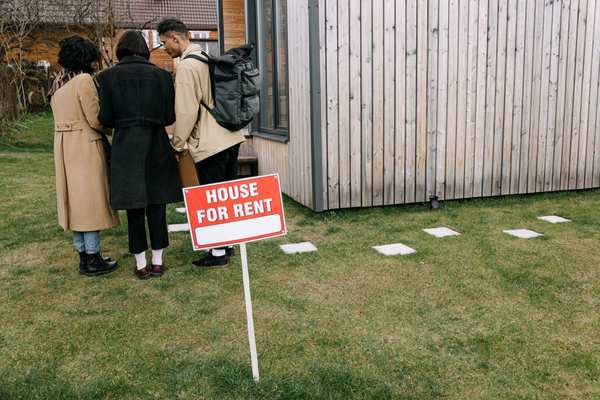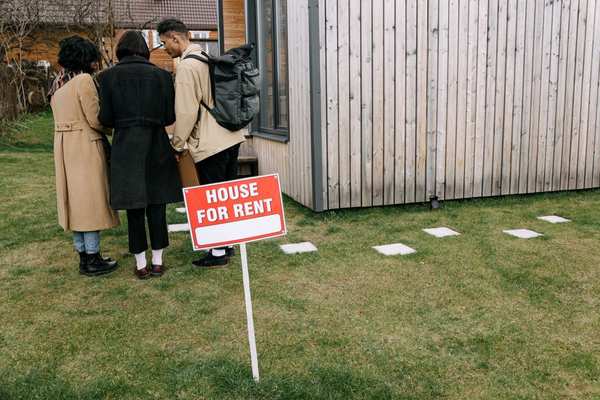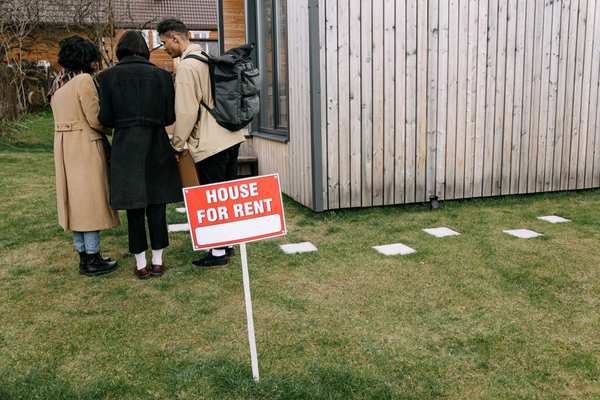
Moving out of a rented property creates a surprisingly awkward insurance question: what happens to your belongings while your address is changing? Your laptop might still be at the old flat, your furniture could be in a removal van, and half your boxes may already be at the new place. Renters insurance when moving home in the UK is not necessarily designed to cover all three locations automatically.
The sensible approach is to tell your insurer before moving, agree when cover changes address, and check the protection available during the journey. A little planning can prevent an expensive gap on an already costly day.
Does renters insurance move with you?
Renters insurance usually means contents insurance for belongings you own, sometimes with additional tenants’ liability cover. Your landlord normally insures the building, not your personal possessions. Contents insurance is optional, but moving does not automatically make an existing policy suitable for the new property.
Some insurers allow you to amend the address on your current policy. Others may change the premium, impose different terms or be unable to insure the new home. The answer depends on your insurer, the policy and details such as the property’s location, security and occupancy.
Start a change-of-address insurance request as soon as your move date is reasonably firm. Give the insurer your old and new addresses, the dates you will have access to each property and when your possessions are expected to arrive. Ask for written confirmation of the agreed cover.
The overlooked problem: two homes on one moving day
A tenancy overlap can be convenient. You might collect the new keys on Friday, move boxes over the weekend and return the old keys on Monday. But having access to both homes does not prove your contents are insured at both addresses.
Ask whether the policy covers possessions left at your old address after the new address becomes effective, and whether possessions taken to the new address are covered before the formal move date. Any temporary extension may have restrictions or a time limit.
For example, imagine you move most furniture on Saturday but leave a television and bicycle at the old flat until Sunday. If the insurer transfers the insured address on Saturday morning, you need to know whether those remaining items are still protected against theft or fire. Do not rely on assumptions about a general grace period.
What if there is a gap between tenancies?
Moving in with family or staying in short-term accommodation for a fortnight creates another complication. Cover for contents temporarily away from home is not the same as cover for everything placed in a storage unit. Tell your insurer where items will be kept, for how long and whether the premises are secure. You might need specialist storage insurance.
What does moving day insurance actually cover?
Standard home contents protection chiefly concerns insured events at the address stated in the policy. Moving home contents cover, sometimes described as household removals or contents in transit, is a separate feature that varies significantly between policies.
Some policies protect items carried by a professional removal firm between homes. They may not offer the same protection when you drive a hired van yourself or ask friends to help. Others restrict accidental damage, exclude particular valuables or require specific packing arrangements.
Before booking the van, ask four practical questions. Does the cover apply during loading and unloading? Must a professional remover carry the goods? Are fragile items, jewellery, cash or electronics excluded? Is there a limit per item or per claim?
Check the removal company’s protection too
Ask your removals firm for its written insurance or liability terms, including limits, exclusions, packing requirements and the procedure for reporting damage. A promise that the company is ‘fully insured’ tells you very little. Its compensation arrangements may depend on the contract and may not match the replacement cost of your possessions.
If you are moving valuable equipment, photograph it before packing and retain purchase records where available. Keep jewellery, essential documents and prescription medicines with you rather than automatically loading them into the van.
Update your contents limits for the new home
Moving is a good moment to reconsider how much contents insurance you need. The correct figure is generally the amount required to replace your belongings at today’s prices, not what you originally paid or what they would fetch second-hand.
Walk through each room and include clothes, kitchen equipment, furniture, devices, books and smaller purchases that are easy to forget. Review any single-item limits for bicycles, jewellery or specialist electronics. An insurer may require valuable items to be listed separately.
The excess, accidental damage options and cover for belongings outside the home also deserve attention. If you are downsizing, sharing a property or moving into furnished accommodation, check whose belongings the policy actually insures.
A practical checklist before you hand over the keys
Two to three weeks before moving
Find your policy schedule and contact the insurer. Confirm the new address, intended dates, any overlap and whether a tenant policy transfer is possible. Check transit and storage arrangements before relying on them. If the insurer cannot offer suitable terms, compare replacement policies and arrange the new start date carefully.
During the move
Keep an inventory or photographs of valuable belongings, record which boxes are transported and secure both properties when unattended. Check the removal firm’s instructions for packing and reporting damage. Avoid leaving valuable items visible in a parked vehicle.
After arriving
Inspect possessions promptly, report any damage according to the relevant deadlines and save the updated policy schedule. Confirm the correct insured address and contents limit. If you changed insurer, check that the previous policy has been cancelled as intended and whether cancellation charges apply.
Frequently asked questions
Can I keep renters insurance at two addresses temporarily?
Possibly, but only if your insurer agrees to the arrangement and confirms the dates and limits. Some policies allow temporary overlap; others do not. Ask about belongings remaining at the previous property.
Does contents insurance cover a DIY move?
Not always. Some removals benefits require a professional removal company. Check cover for hired vans, self-packing, accidental breakage and loading before you move anything.
Will my renters insurance cost more after moving?
It might. A new postcode, property type, security arrangements or different cover requirements can affect the premium. Insurers may also charge an administration fee for changes. Request the revised price before accepting it.
Can I cancel my policy and buy a new one?
Yes, subject to the policy’s cancellation terms. Compare the cost and coverage of an amendment against a new policy, including any fees. Arrange dates so your belongings are not left uninsured between policies.
Make the insurance dates part of your moving plan
Renters insurance when moving home is mainly about getting the details right: which address is covered, which belongings are protected during transport and what happens during any overlap or storage period. Confirm those answers before moving day, then check your revised documents. Your new keys should come with clarity about your cover, not an unexpected insurance gap.