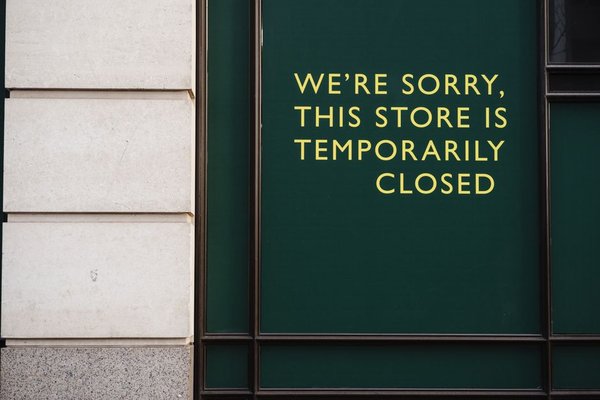
Picture this: your office IT system goes down at 9am on a Monday, taken out by a ransomware attack you never saw coming. Or a burst pipe floods your warehouse overnight. Either way, trading stops, but your rent, payroll and supplier invoices don’t. This is exactly the kind of scenario insurers are watching closely heading into 2026, as cyber incidents and infrastructure outages climb the list of top risks facing UK businesses. Business interruption insurance exists precisely for these moments, stepping in to replace lost income while you get back on your feet.
If you’ve ever wondered how this cover actually works, what triggers a payout, or whether your current policy is fit for purpose in an increasingly digital-first economy, this guide walks through everything you need to know.
What Is Business Interruption Insurance?
Business interruption insurance, sometimes referred to as BI insurance UK-wide, is designed to protect a company’s income when normal trading is disrupted by an insured event. Rather than covering physical damage itself (that’s the job of buildings or contents insurance), this policy covers the financial fallout: lost revenue, ongoing fixed costs and, in many cases, the additional expenses incurred while trying to keep the business running from a temporary location.
Think of it as loss of income insurance for businesses that can’t simply pause their obligations while repairs happen. Rent still needs paying. Staff still need wages. Loan repayments don’t stop just because your shop floor is underwater.
How It Differs From Standard Property Insurance
Property insurance pays to repair or replace what’s damaged. Business interruption cover pays for what you lose while that repair is happening. Most UK insurers sell it as an add-on or extension to a commercial property or combined business policy, rather than as a completely standalone product, though standalone options do exist for specific risks like cyber interruption.
What Triggers a Valid Claim?
This is where many business owners get caught out. Business interruption insurance only pays out following an “insured peril” that’s explicitly listed in the policy. Typical triggers include:
Fire, flood, storm damage, escape of water, malicious damage, and increasingly, cyber-attacks or system outages that prevent the business from operating. Some policies also include “denial of access” cover, useful if a neighbouring property’s fire forces your street to close, or “notifiable disease” clauses, which came under intense scrutiny following COVID-19 and are now far more tightly worded.
The Indemnity Period
Every policy has an indemnity period, the maximum length of time it will pay out following a claim. This might be 12, 24 or 36 months. Choosing too short a period is one of the most common and costly mistakes businesses make, particularly if recovery involves rebuilding, re-equipping and slowly regaining lost customers rather than simply flicking a switch back on.
Why 2026 Is a Turning Point for Trading Loss Cover
For years, business interruption claims were dominated by fire and flood. That’s shifting. Insurers are now flagging cyber incidents and third-party outages, think cloud service failures, payment processor downtime, or supply chain software crashes, as some of the fastest-growing causes of trading loss.
A single ransomware attack can halt operations for days or weeks, and unlike a fire, there’s no smoke to alert the fire brigade. Recovery often depends on forensic IT investigation, data restoration and, sometimes, negotiation with attackers. This has pushed many insurers to either tighten cyber exclusions on standard trading loss cover or offer separate cyber business interruption add-ons entirely. If your policy was written more than a couple of years ago, it’s worth checking whether it reflects this newer risk landscape at all.
What Does Business Interruption Insurance Actually Cover?
Loss of Gross Profit
The core of most policies. This covers the drop in turnover caused by the interruption, minus any costs you’re no longer incurring because you’re not trading (like raw materials you didn’t need to buy).
Increased Cost of Working
If you can reduce the impact of the interruption by spending money, say, renting temporary premises or hiring extra couriers to fulfil orders another way, this covers those additional costs, provided they’re economically justified against the loss they prevent.
Additional Expenses
Some policies extend to cover things like accountants’ fees for preparing the claim itself, or costs associated with restoring lost data and records.
Business Continuity Insurance and Risk Planning
It’s worth noting that business continuity insurance isn’t a separate product so much as a mindset that business interruption cover supports. Insurers increasingly expect businesses to demonstrate genuine continuity planning, backup systems, incident response plans, offsite data storage, before offering competitive terms, particularly for cyber-related trading loss cover. A well-documented continuity plan can also speed up claims processing significantly, since it gives loss adjusters a clear picture of what “normal trading” looked like before the disruption.
How Much Cover Do You Actually Need?
This depends heavily on your sums insured calculation, which should be based on projected gross profit over your chosen indemnity period, not simply last year’s figures. Growing businesses in particular tend to under-insure here, because static figures don’t account for the trajectory the business was on before disaster struck. Getting this number wrong doesn’t just risk being underpaid on a claim, it can trigger “average” clauses that reduce every payout proportionally if you’re found to be underinsured.
Working with a broker who understands your sector, rather than relying purely on a generic online quote, tends to pay off here. The nuances between a retail business, a manufacturer with supply chain dependencies, and a service-based company relying on cloud infrastructure are significant.
Frequently Asked Questions
Does business interruption insurance cover loss of profit or loss of revenue?
It’s based on gross profit, not raw revenue. Insurers calculate the drop in profit caused by the interruption, factoring in costs you avoided because you weren’t trading normally.
Is cyber-attack downtime covered under standard business interruption policies?
Not always, and this is a growing concern for 2026. Many standard policies exclude or limit cyber-related interruption, meaning a dedicated cyber extension or standalone cyber insurance policy may be necessary for full protection.
How long does a business interruption claim typically take to settle?
It varies widely depending on complexity, but straightforward property-related claims can settle within a few months, while cyber or supply chain-related claims often take longer due to forensic investigation requirements.
Can a new or small business get business interruption insurance?
Yes. Insurers usually base cover on projected figures for newer businesses rather than historical accounts, though premiums may reflect the added uncertainty.
Final Thoughts
Business interruption insurance isn’t the most glamorous line item on a business insurance policy, but it’s often the one that determines whether a company survives a genuinely bad day or closes its doors for good. As the causes of trading disruption shift away from purely physical risks towards digital ones, reviewing your cover isn’t just good practice, it’s becoming essential. Take the time to check what’s actually included in your policy, question whether your indemnity period reflects realistic recovery timescales, and make sure your sums insured are based on where your business is heading, not just where it’s been.