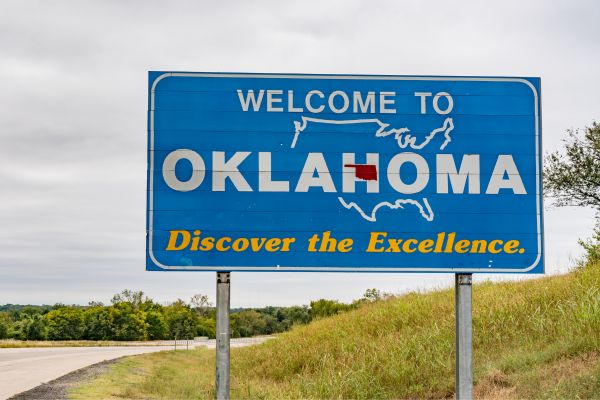
Insurance in Oklahoma is not something people think about only when paperwork arrives in the mail. It is tied closely to daily life across the state: driving long stretches of highway, protecting homes from severe spring storms, running farms or small businesses, and planning for medical costs that can change a household budget quickly. A practical Oklahoma insurance guide should explain the rules, but it should also make the topic feel useful and grounded.
Oklahoma has a unique risk profile. The state sits in a region known for tornadoes, hail, wildfires, flash flooding, and strong winds. That does not mean every policyholder faces the same risk, of course. A homeowner in Oklahoma City may have different needs from someone in Tulsa, Lawton, Stillwater, Norman, Enid, or a rural county. Still, the basic idea remains the same: insurance is there to soften the financial blow when something unexpected happens.
The Oklahoma Insurance Department plays a central role in overseeing insurance companies, licensing agents, handling consumer questions, and reviewing complaints. For residents, knowing how insurance works at the state level can make it easier to choose coverage, understand policy language, and respond confidently when a claim becomes complicated.
Understanding Insurance in Oklahoma
Insurance is a way of sharing risk. A policyholder pays a premium, and in return, the insurance company agrees to help cover certain losses under the terms of the policy. It sounds simple until real life gets involved. Policies contain limits, deductibles, exclusions, waiting periods, and claim procedures that can change how much protection someone actually has.
In Oklahoma, insurance decisions are often shaped by weather and transportation. Many residents drive regularly, sometimes across long rural roads where accidents can be costly and emergency response may take longer. Homeowners face severe storm risks that can affect roofs, windows, siding, fences, and outbuildings. Renters may worry less about structural damage but still need protection for personal belongings and liability.
A good policy is not always the cheapest one. It is the one that fits the actual risk. That is why comparing coverage carefully matters more than simply chasing the lowest monthly premium.
Auto Insurance Requirements in Oklahoma
Auto insurance is legally required for Oklahoma drivers. The state requires minimum liability coverage commonly written as 25/50/25. This means at least $25,000 for bodily injury per person, $50,000 for bodily injury per accident, and $25,000 for property damage.
Liability insurance helps pay for injuries or property damage a driver causes to others. It does not normally pay for the policyholder’s own vehicle repairs or personal injuries. That is where other coverages may come in, such as collision, comprehensive, medical payments, uninsured motorist, or underinsured motorist protection.
Collision coverage can help repair or replace a vehicle after a covered crash. Comprehensive coverage may apply to non-collision events, such as theft, hail, fire, vandalism, or certain storm-related damage. These coverages are not always required by state law, but lenders and leasing companies often require them.
For many Oklahoma drivers, the real question is not whether to carry insurance, but how much. Vehicle prices, medical bills, and repair costs can rise quickly. A policy that meets the legal minimum may still leave a driver financially exposed after a major accident.
Homeowners Insurance in a Storm-Prone State
Homeowners insurance is especially important in Oklahoma because of the state’s severe weather. Standard homeowners policies often include protection for the house, other structures, personal belongings, liability, and additional living expenses if the home becomes temporarily unlivable after a covered loss.
Storm damage deserves close attention. Wind and hail are common concerns, and Oklahoma homeowners should look carefully at roof coverage, deductibles, age restrictions, and claim settlement terms. Some policies may cover roof replacement differently depending on the age and condition of the roof. Others may apply separate wind or hail deductibles.
Tornado damage is commonly handled through windstorm coverage in homeowners insurance rather than through a separate “tornado insurance” policy. However, coverage still depends on the policy’s exact wording, limits, deductibles, and exclusions. Homeowners should not assume that every storm-related loss will be treated the same way.
Flooding is a different issue. Flood damage is usually not covered under a standard homeowners policy and often requires separate insurance. This matters because Oklahoma faces not only tornadoes and hail, but also heavy rain, flash flooding, and flood risks in low-lying areas.
Renters Insurance for Oklahoma Tenants
Renters insurance is easy to overlook, especially for people who assume their landlord’s insurance protects them. In most cases, the landlord’s policy covers the building, not the tenant’s personal belongings. If a fire, theft, burst pipe, or covered storm damages a tenant’s property, renters insurance may help replace items such as furniture, clothing, electronics, and household goods.
Renters insurance can also include liability coverage. That may help if someone is injured in the rental unit or if the tenant accidentally causes damage to another person’s property. Some policies also provide additional living expense coverage if the rental becomes unsafe or unlivable after a covered event.
In cities with apartment communities, college housing, and rental homes, renters insurance can be a practical safeguard. It is not only for people with expensive belongings. Everyday items can be surprisingly costly to replace all at once.
Health Insurance Options in Oklahoma
Health insurance in Oklahoma may come through an employer, Medicare, Medicaid-related programs, private coverage, or the federal Health Insurance Marketplace. The right option depends on income, age, family size, employment status, medical needs, and eligibility.
When comparing health plans, the monthly premium is only part of the picture. Deductibles, co-pays, provider networks, prescription coverage, specialist access, emergency care, and out-of-pocket maximums all matter. A low premium can become expensive if the deductible is high or if a preferred doctor is outside the network.
Oklahoma residents should also pay attention to enrollment periods. Many people enroll during open enrollment, while others may qualify for a special enrollment period after major life events such as losing coverage, moving, getting married, having a child, or changes in household income.
Health insurance decisions are deeply personal. Someone with regular prescriptions or chronic care needs may look at a plan differently from someone who rarely visits a doctor. The best choice is usually the one that balances predictable monthly cost with realistic access to care.
Life Insurance and Family Planning
Life insurance is not required by Oklahoma law, but it can be an important part of financial planning. It provides money to named beneficiaries after the insured person dies. For families with children, a mortgage, shared debts, or dependent relatives, that support can be meaningful.
Term life insurance covers a set period, often during the years when financial responsibilities are highest. Permanent life insurance is designed to last longer and may include a cash value feature. Neither option is automatically better for everyone. The right choice depends on budget, age, health, family responsibilities, and long-term goals.
One detail people sometimes forget is the beneficiary designation. Life insurance generally pays the person named in the policy. After marriage, divorce, the birth of a child, or other major life changes, it is wise to review those names. A policy can be well chosen but still create confusion if the beneficiary information is outdated.
Business Insurance in Oklahoma
Oklahoma has a wide mix of businesses, including farms, contractors, restaurants, energy-related companies, retailers, transportation businesses, and professional service firms. Each industry has different risks, so business insurance needs vary.
Common coverage types include general liability, commercial property, workers’ compensation, commercial auto, professional liability, equipment coverage, and cyber liability. A contractor may need proof of insurance before starting a job. A restaurant may need property, liability, and employee-related coverage. A small professional office may be more concerned about errors, data security, and lease requirements.
Business owners should be careful about relying on personal policies. A personal auto policy may not properly cover business driving. A homeowners policy may not fully cover business equipment, inventory, or client visits. The line between personal and business activity can become blurry, especially for home-based businesses and freelancers.
Working With Oklahoma Insurance Agents
Local insurance agents can be helpful because they understand regional risks. An agent familiar with Oklahoma may naturally ask about storm exposure, roof age, flood risk, rural property concerns, farm equipment, commercial vehicles, or business operations. Those local details can affect the type and amount of coverage a person needs.
A good agent should explain coverage clearly rather than simply offering a price. The most useful conversations often involve deductibles, exclusions, claim examples, replacement cost, actual cash value, liability limits, and what happens after a loss.
Oklahoma residents can also verify licensing and seek help through the state insurance department. This can be useful when choosing an agent, checking whether a company is authorized to operate, or understanding where to turn when a policy question becomes difficult.
Consumer Complaints and Policyholder Rights
Insurance problems can become frustrating quickly. A claim may be delayed, a payment may be disputed, a cancellation notice may be confusing, or a policyholder may disagree with how damage was evaluated. In Oklahoma, consumers can submit requests for assistance or complaints to the state insurance department for matters involving auto, home, commercial, life, health, service warranty, title insurance, or workers’ compensation.
Before filing a complaint, it is helpful to gather the policy, declarations page, claim number, photos, estimates, letters, emails, and notes from phone calls. Clear records make it easier to explain the issue and show what steps have already been taken.
It is also important to read policy notices carefully. Renewal changes, cancellation warnings, claim deadlines, and requests for information should not be ignored. Insurance often depends on timing, and missing a deadline can make a difficult situation worse.
Comparing Policies Without Getting Confused
Comparing insurance policies requires more than looking at price. Two policies may have the same premium but very different deductibles, limits, exclusions, and claim terms. The best comparison is one that looks at similar coverage side by side.
For auto insurance, Oklahoma drivers should compare liability limits, uninsured and underinsured motorist options, collision and comprehensive coverage, deductibles, rental reimbursement, and roadside assistance. For home insurance, it is important to compare roof coverage, wind and hail deductibles, flood exclusions, water backup options, and personal property limits. For health insurance, network access and total annual cost are just as important as the monthly premium.
Insurance should also be reviewed after life changes. Buying a home, replacing a roof, adding a teenage driver, starting a business, moving, getting married, having children, or purchasing expensive equipment can all affect coverage needs.
Common Insurance Mistakes in Oklahoma
One common mistake is assuming minimum auto insurance is enough. It may satisfy the law, but it may not fully protect a household after a serious crash. Another mistake is assuming homeowners insurance covers flooding. In many cases, it does not.
Some homeowners do not review roof coverage until after hail damage occurs. Some renters skip coverage because they underestimate the value of their belongings. Some business owners assume personal policies will cover business activity. Others choose deductibles that are too high for their emergency savings.
These mistakes are understandable, but they can be costly. Insurance is easiest to review before a claim, not after one.
Conclusion
A strong Oklahoma insurance guide should help residents see insurance as a practical part of living in a state with real weather, road, health, property, and business risks. Oklahoma’s laws create minimum requirements, especially for auto insurance, while the state’s insurance department provides oversight and consumer support. But the best coverage decisions still depend on personal circumstances.
For Oklahoma residents, the smartest approach is to understand the basics, read policy details, ask direct questions, and review coverage regularly. Insurance cannot stop a tornado, prevent a crash, or remove uncertainty from life. What it can do is make recovery more manageable when the unexpected arrives. In a state where conditions can change quickly, that kind of preparation is not just paperwork. It is peace of mind built before it is needed.