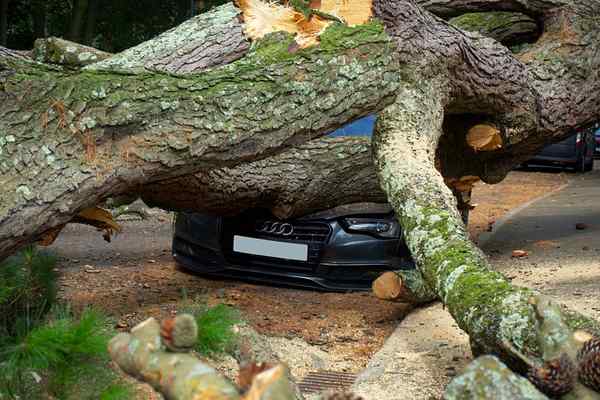
Storms and burst pipes can both leave a home wet, damaged and uninhabitable, but insurers do not treat every type of water damage in the same way. A roof opened by high winds is usually considered under storm cover, while water from a failed pipe, tank or fixed heating system is normally considered under escape of water cover. Floodwater entering from outside is generally a separate insured event.
For homeowners checking storm damage home insurance in the UK, the key question is not simply whether bad weather happened. The insurer will look at what caused the damage, whether that cause is covered, and whether poor maintenance or gradual deterioration played a significant part.
What home insurance usually covers after a storm
Buildings insurance commonly covers storm damage to the structure of the home, including roofs, walls and permanent fixtures. If strong winds lift sound roof tiles and rain then enters through the opening, the resulting building damage may form part of the same storm damage claim. Contents damaged inside the home normally require contents insurance rather than buildings-only cover.
Insurers may check local weather records when assessing a storm damage claim UK homeowners make. The Financial Ombudsman Service generally considers whether storm conditions occurred, whether the damage is consistent with storm damage, and whether the storm was the main cause. A named Met Office storm can be useful evidence, but a weather event does not have to be named for a claim to be valid.
Extreme rain, hail or snow can also qualify as storm conditions in some circumstances. The exact policy wording matters, so do not assume a claim fails simply because wind speed was not unusually high.
Wear and tear can change the outcome
Home insurance is designed for insured events, not routine maintenance. A roof that was already failing or badly cracked render may lead an insurer to argue that the storm exposed an existing problem rather than caused it. Photos, maintenance invoices can help.
For example, if a ridge tile comes loose during severe winds and the surrounding roof is sound, the loss is more likely to look like sudden storm damage. If a survey shows widespread decay that existed for years, the insurer may limit or decline the claim.
What escape of water cover means
Escape of water cover usually deals with water leaking from domestic pipes, tanks, heating systems or fixed installations. A burst pipe insurance claim may therefore include damage to ceilings, plaster, flooring and fitted units caused by the escaping water, subject to the policy terms and excess.
The damaged pipe itself is a separate issue. Many policies pay for the resulting water damage but do not automatically pay to replace the worn-out component that failed. Some policies include trace and access cover, which can pay reasonable costs of finding a hidden leak and opening and making good parts of the building needed to reach it. Limits and conditions vary.
Slow leaks can be more complicated. Insurers often exclude gradual damage, but a concealed leak is not automatically the same as neglect. If there was no reasonable way for you to know about the leak and you acted promptly when staining, damp or a collapse first appeared, the circumstances may support the claim. Keep dated photographs and records of when the problem was discovered.
For related reading, see our guide to home insurance excess explained.
Fallen trees, fences and outdoor damage
A fallen tree insurance claim depends heavily on what was damaged and how the policy is written. If a tree falls during a storm and damages an insured garage or the main house, buildings cover may respond. However, removal of the tree itself is not always covered, especially if it falls without damaging insured property.
Fences, gates, hedges and some garden structures are commonly subject to special limits or exclusions for storm damage. Check the definitions of buildings and the exclusions for storm, falling trees and garden items.
What to do immediately after storm or water damage
First make the property safe without putting yourself at risk. If water is escaping from a pipe and it is safe to do so, shut off the water supply. Move undamaged possessions away from the affected area and take clear photographs or video before disposing of damaged items. Avoid climbing onto a damaged roof.
Contact your insurer as soon as reasonably possible. Explain when you first noticed the damage, what happened and what emergency steps you have taken. Keep receipts for emergency work, but check with the insurer before authorising major permanent repairs unless needed to prevent further damage.
Do not throw away damaged materials too quickly because an insurer or loss adjuster may want to inspect them. A written timeline can help: record the date of the storm or leak, when damage became visible, who attended and what work was carried out.
Our guides to what buildings insurance covers and making a home insurance claim are useful next steps when separating structural damage from contents losses.
Why a claim may be reduced or declined
Disputes often involve wear and tear, lack of maintenance, gradual deterioration, an excluded outdoor item, or restrictions that apply when a home has been unoccupied for an extended period. Escape of water claims can also carry a different or higher excess than other types of damage.
Read the schedule and policy wording rather than relying on a general description of cover. If an insurer declines a claim, ask for the decision and exclusion in writing. You can make a formal complaint if you believe the decision is wrong and, if unresolved, eligible consumers can take the complaint to the Financial Ombudsman Service.
FAQ
Does UK home insurance cover storm damage to a roof?
Usually, buildings insurance covers sudden storm damage to the roof, but the insurer may investigate whether the roof was already affected by wear, decay or poor maintenance. Cover depends on the policy wording and evidence about the cause.
Is a burst pipe covered by home insurance?
Most standard home insurance policies cover damage caused by water escaping from insured pipes or heating systems. Repairing the failed pipe itself, tracing a hidden leak and making good access damage may be treated separately, so check for trace and access cover.
Will insurance pay if a tree falls in my garden?
It may pay for insured building damage caused by a falling tree, but tree removal and damage to fences, gates or landscaping can be excluded or limited. The policy’s definitions and falling-tree section are important.
Is storm rainwater the same as flood damage?
No. Rain entering because a storm damaged the roof may be considered storm damage, while external floodwater entering the property is generally assessed under flood cover. Water leaking from a domestic pipe or appliance may instead fall under escape of water cover.
Protect the claim as carefully as the property
After a storm or escape of water, quick action matters, but so does evidence. Stop further damage where it is safe, photograph what happened, keep receipts and report the loss promptly. A clear cause, reasonable maintenance and a record of your response can make the claim easier to assess.